BLOG
2026 Hybrid Container Home Designs
Time:2026-01-29 10:50:46 visits:178
As 2026 heralds a fusion era in architecture—where "hybrid container homes" searches spike 60% on platforms like Reddit and Pinterest, per Google Trends—creative container homes are transcending pure modular roots by blending shipping container components with traditional elements for enhanced aesthetics and functionality. These prefab container homes, often termed modular homes or shipping container hybrids, draw from pioneers like Hybrid Architecture's 2025 insights on adaptive reuse, integrating steel frames with wood A-frames or glass atria to create resilient, personalized abodes. This trend, spotlighted in Medium's 2026-2035 modular strategies and Yanko Design's January picks, addresses limitations like thermal bridging while amplifying sustainability—using recycled container parts to cut waste by 80% versus full builds. Perfect for eco-conscious urbanites, it promises high-exposure appeal through versatile designs that marry industrial grit with organic warmth, redefining hybrid housing for a climate-adaptive future.
Structural Synergy: Merging Container Cores with Traditional Touches
The essence of a hybrid container house lies in its core: repurposed shipping container walls, corner posts, and base rails provide a sturdy, cost-effective skeleton—sourced affordably at $2,000-5,000 per unit from suppliers like Four Sons Logistics—while traditional additions like timber cladding or stone facades soften the industrial look. 2026 innovations, as in Medium's adaptive strategies, see two-story hybrids where container bases support wood A-frame roofs, creating pitched profiles that shed snow efficiently in northern climates. Advantages abound: container hybrids resist earthquakes with ISO-certified steel, per Peb SteelProGroup's resilient designs, while wood elements improve insulation, achieving R-30 values without extra costs.
Placement versatility elevates eco hybrid housing: urban modular homes nestle container cores into existing brick facades for seamless city integration, rural prefab container homes pair steel panels with thatched roofs for farmstead charm, and coastal shipping container hybrids use galvanized bases with bamboo overlays to combat salt erosion. These creative hybrid layouts, inspired by Facebook's Container Kings energy-efficient builds, prioritize geo-adaptation—incorporating passive solar orientation to slash energy bills by 40%, making them trending favorites for sustainable retrofits.
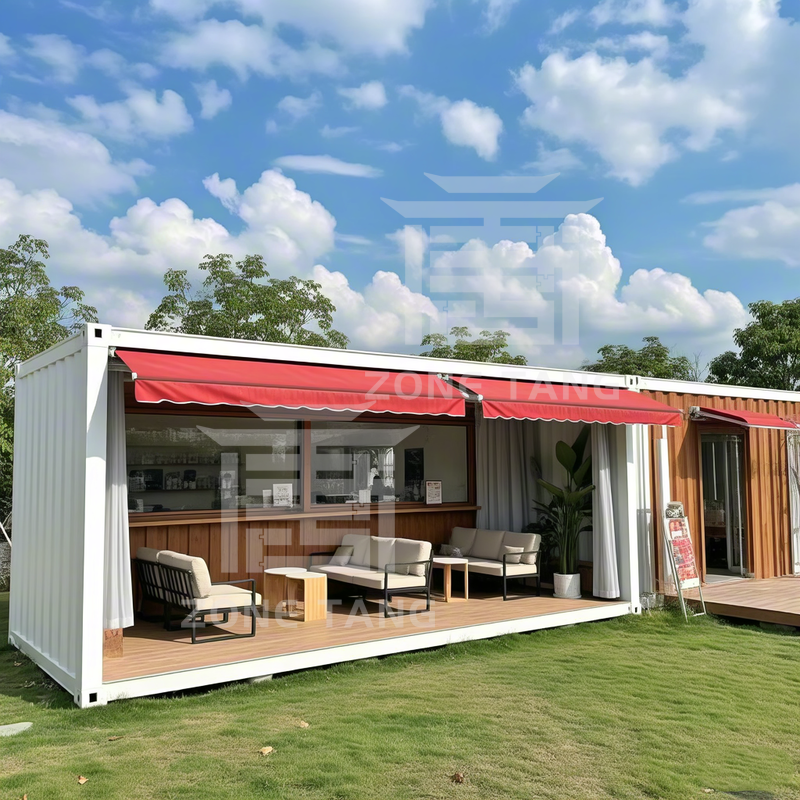
Interior Fusion: Multi-Material Spaces for Modern Comfort
Inside a hybrid container house, the marriage shines: exposed container corrugations add industrial texture, complemented by reclaimed wood floors and gypsum walls for cozy acoustics—echoing Yanko Design's Teeny Tiny Haus with hybrid vibes. 2026 floor plans favor open zones: kitchens fuse container cabinetry with marble counters, creating durable yet elegant hubs, while bedrooms leverage modular walls for flexible partitions. Smart integrations, like IoT climate controls from Oreate AI, harmonize the blend, optimizing hybrid heating with heat pumps that draw from container-insulated cores.
For families, multi-level hybrids from WSBT's Plymouth community examples include lofted container extensions with wooden mezzanines, fostering plant-filled sanctuaries that boost air quality by 30% via biophilic design. These eco hybrid housing features not only enhance livability but also sustainability—using low-VOC adhesives and recycled insulation to meet LEED standards, turning prefab container homes into wellness-oriented retreats that viral on TikTok for their seamless material synergy.
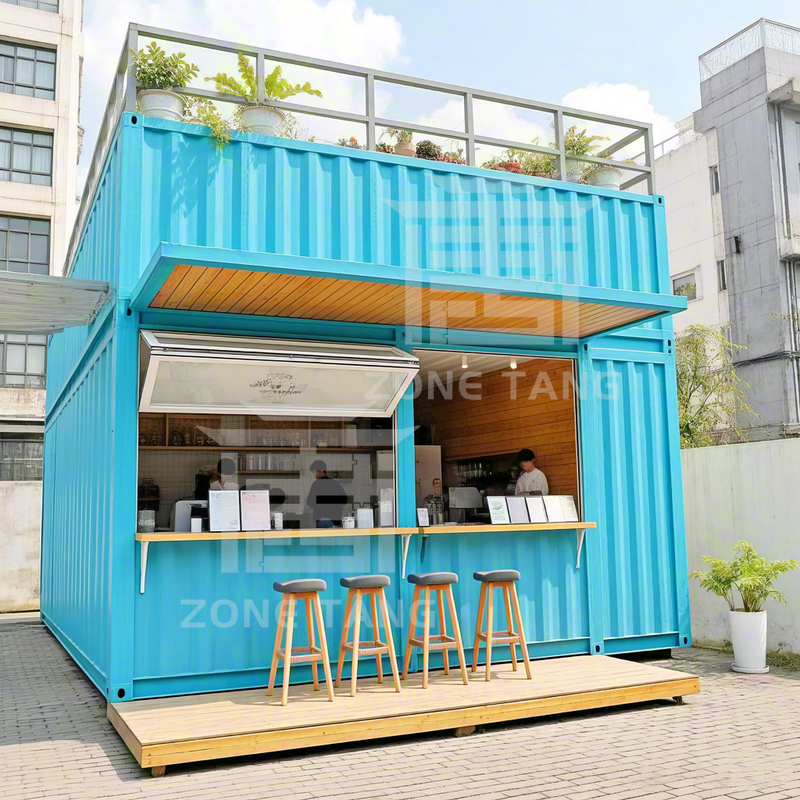
Sustainability and Expansion Perks: Future-Ready Hybrids
Hybrid designs excel in green credentials: by using only 50% container material, they reduce embodied carbon by 60% compared to full-steel builds, as per Medium's 2026 analyses, while traditional additions like green roofs amplify biodiversity. Expansion is effortless—snap-on modules extend living areas without demolition, ideal for growing needs or ADUs, with costs averaging $100-180/sq ft per YesContainers' surge data.
Community applications boost exposure: hybrid container homes form eco-villages, sharing solar arrays for net-zero ops, as in Bali's resort fusions. With 20% market growth projected, these modular homes offer ROI through rentals, emphasizing rust-resistant hybrids for minimal upkeep.
In essence, creative container homes, or shipping container hybrids, are pioneering 2026's architectural renaissance by weaving modular efficiency with traditional elegance. As trends pivot toward resilient, customizable living—evidenced by Reddit's hybrid discussions—they deliver transformative spaces that captivate eco-innovators, proving fusion is the key to sustainable style.
CATEGORIES
BLOG
CONTACT US
Whatsapp/Wechat: +86 15966161736
Tel: +86 15966161736
Fax: +86 15966161736
Email:futurex@fu-turex.com
Add: 500 meters west of Dashigiao Community, Zhuliu Street,Changle County.Weifang City, Shandong Province